A moving company needs more than a stack of general-purpose cartons: each job consumes different box formats, cushioning, tape, film, labels, and protective parts. Use move data, item categories, carton tests, supplier terms, and stock controls to build a supply system that reduces emergency purchases and packing failures.
Key takeaways
- Forecast weekly supplies from confirmed jobs and add stock for damage and late bookings.
- Match carton size and board grade to each load’s weight, shape and handling risk.
- Specify tape width, adhesive and tensile strength when buying in bulk.
- Compare suppliers by usable cartons, delivery reliability, damage rates and total cost.
Forecast supply use from the jobs you book
Estimate weekly consumption from booked jobs, not last month’s average. Assign each move a packing bill of materials by room volume and item type, multiply those quantities by confirmed jobs, and add safety stock for cancellations, damage and late bookings. Reconcile the forecast with warehouse issues every Friday.
- Cartons: separate book, kitchen, wardrobe, mirror and appliance formats; forecast each size from the jobs requiring it.
- Tape: count rolls per packed carton, then add an allowance for re-taping and damaged seals.
- Stretch film and cushioning: estimate rolls or metres per furniture load and cubic metre of fragile goods.
- Labels and markers: tie quantities to inventory lines, crew packs and destination labels, not carton count alone.
- Dish dividers: forecast them against kitchenware jobs.
- Mattress bags: forecast them against the number and sizes of mattresses booked.
- Corner protectors and custom inserts: order them against named jobs and item dimensions.
Keep core stock of fast-moving carton sizes, standard tape, film and cushioning. Buy packaging supplies for moving companies against booked work; a general single-wall carton cannot replace a dish pack, wardrobe carton or adjustable mirror carton.
For tape, compare usable footage, not price per roll: ask for roll length, width, thickness, adhesive type, rolls per case, core size and minimum order quantity.
Inspect reusable cartons before returning them to stock. Remove any with crushed corners, water damage, delamination, torn hand holes or contamination, because used board does not retain its original load rating. Check outside dimensions against the carrier’s dimensional-weight divisor and rounding rules before standardising an oversized box.
Match carton design and board grade to the load
Choose carton dimensions from the packed item, not from the empty space in the truck. Measure the item at its longest, widest and highest points, then add room for cushioning and dividers; excessive empty volume lets contents shift and increases crush risk. Keep books and tools in compact cartons, while clothing needs vertical hanging space.
| Item | Carton choice | Fit check |
|---|---|---|
| Books and records | Compact carton | Fill without making the carton too heavy to lift |
| Kitchenware and glassware | Divided dish carton | Wrap each piece; prevent contact with the walls |
| Clothing | Wardrobe carton | Garments hang freely without compressing the doors |
| Electronics | Close-fitting carton with foam or molded inserts | Keep screens and controls away from carton walls |
| Lamps and framed items | Tall or picture carton with corner protection | Leave no pressure on glass, shades or frames |
| Furniture components | Long carton or custom insert | Secure projecting parts so they cannot slide |
Use specialty cartons when the item’s shape creates a predictable failure. Wardrobe cartons protect hanging garments, dish dividers separate fragile pieces, and mattress bags prevent tearing and staining. Do not force a television, artwork or appliance into a standard carton.
Board grade must match both weight and stacking exposure.
| Board grade | Suitable loads | Decision rule |
|---|---|---|
| 3-ply | Clothing, linens, light plasticware and short local moves | Use when cartons remain lightly loaded and stacking is limited |
| 5-ply | Books, tools, appliances, glassware and long-distance consignments | Choose for heavier contents, taller stacks or longer storage |
For warehouse stacking, confirm the carton’s dimensions, interlocking pattern and humidity exposure through a distribution-condition test; an ECT number alone does not predict performance.
Buy a complete packing kit and specify the tape
A complete packing kit should cover routine moves, specialist items, and the sealing work that keeps cartons closed in transit. Treat small business shipping supplies as a job-ready system, not a pile of interchangeable boxes.
- General-purpose cartons in your core sizes
- Dish-pack cartons with dividers and cushioning
- Wardrobe cartons with hanging bars and vertical support
- Mirror and picture cartons with adjustable depth and edge protection
- Mattress bags, stretch film, corner protectors, labels, markers, and cushioning
- Packing tape for shipping boxes, plus dispensers and spare blades
Select tape for the carton and conditions, not maximum adhesive strength. Check the backing and adhesive system against dusty recycled fibre, high recycled content, heavy loads, cold storage, and long holding periods. Seal sample cartons, then inspect whether the tape lifts at the corners, splits, or loses grip after storage.
A quote from a bulk packaging tape supplier must state roll length, width, thickness, adhesive type, core size, rolls per case, and minimum order quantity. Compare cost per metre of usable tape, not cost per roll: a larger core or shorter roll can make a cheap case expensive.
Ask for samples using your actual cartons and test the supplier’s case count and footage before standardising the order. When buying locally, keep specialty items tied to scheduled jobs so emergency retail purchases do not dictate pack quantity or quality.
Compare suppliers by usable value, not unit price
Compare suppliers by usable value, not unit price: calculate the cost of the footage, cartons, or protective area you can actually use after damaged stock, excess packaging, and delivery charges.
| Option | Compare | When it earns its cost |
|---|---|---|
| Local supplier | Immediate collection, smaller minimum order, and less storage; check board grade, pack quantity, and consistent dimensions | Core stock and urgent jobs |
| Bulk supplier | Lower unit price, but confirm roll length, width, thickness, adhesive, rolls per case, core size, and minimum order | Predictable high-volume consumption |
| Delivered supplier | Add freight, unloading time, lead time, damage terms, and whether delivery is to your door | Large orders that justify replenishment planning |
A quote from Packbox.In becomes easier to compare when it states those tape specifications instead of showing only a price per roll. A larger core or shorter roll can make the cheaper case cost more per usable metre.
Check dimensional weight before standardising cartons. Apply your carrier’s divisor and rounding rule to the packed carton’s outside length, width, and height; a light oversized box can cost more to ship than a compact heavier one.
Price storage into bulk buying. Cartons need dry, level storage away from humidity, crushing, pallet overhang, and long-term compression. For returns, choose the best packaging for product returns: a correctly sized carton or mailer that opens without destroying its cushioning and reseals securely. A resealable closure cannot fix an undersized or crushed box.
Related products
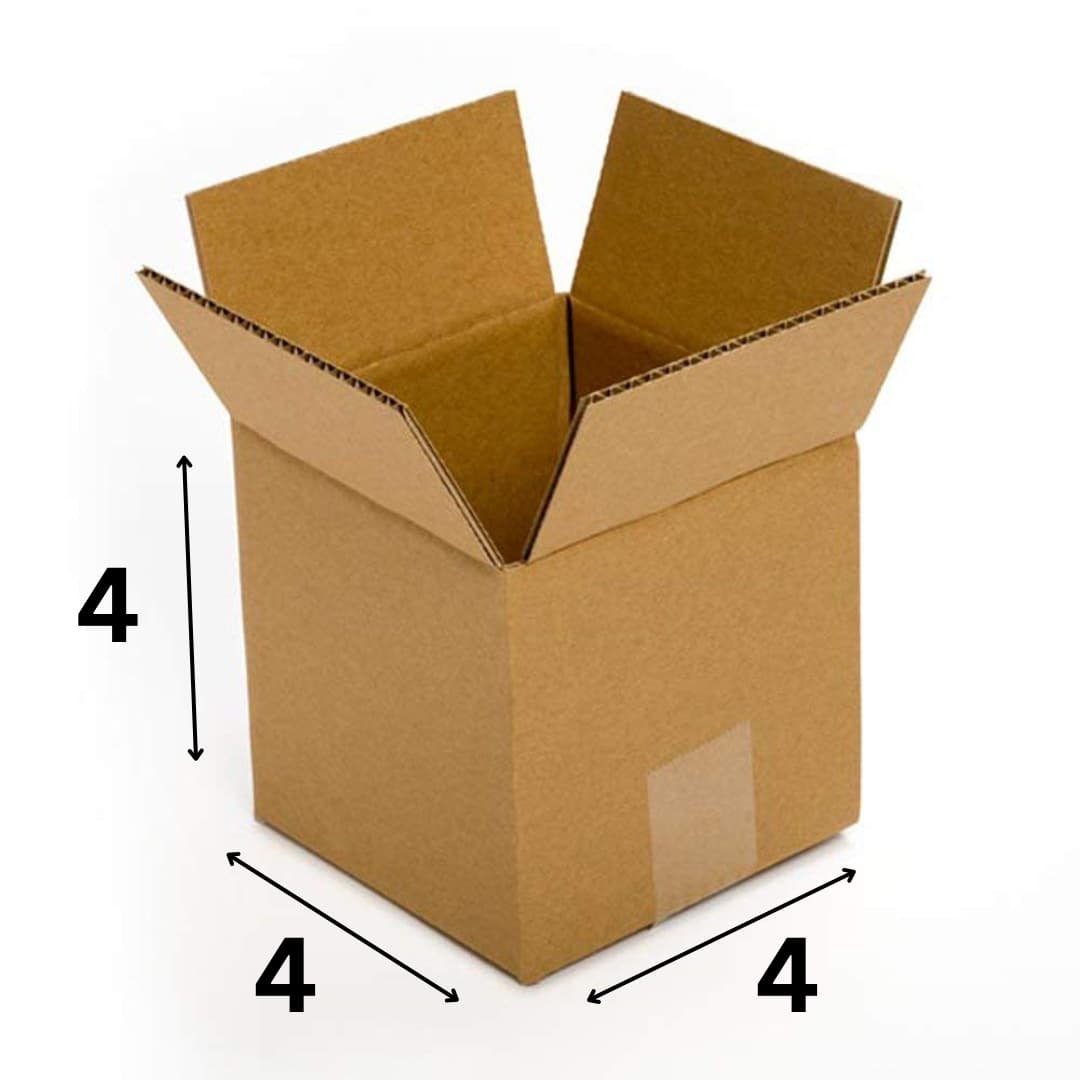 | Corrugated Boxes 3 PLY Cardboard Box 4x4x4 ₹10.50 Perfect Cardboard moving boxes - Pack, protect and move with ease. |
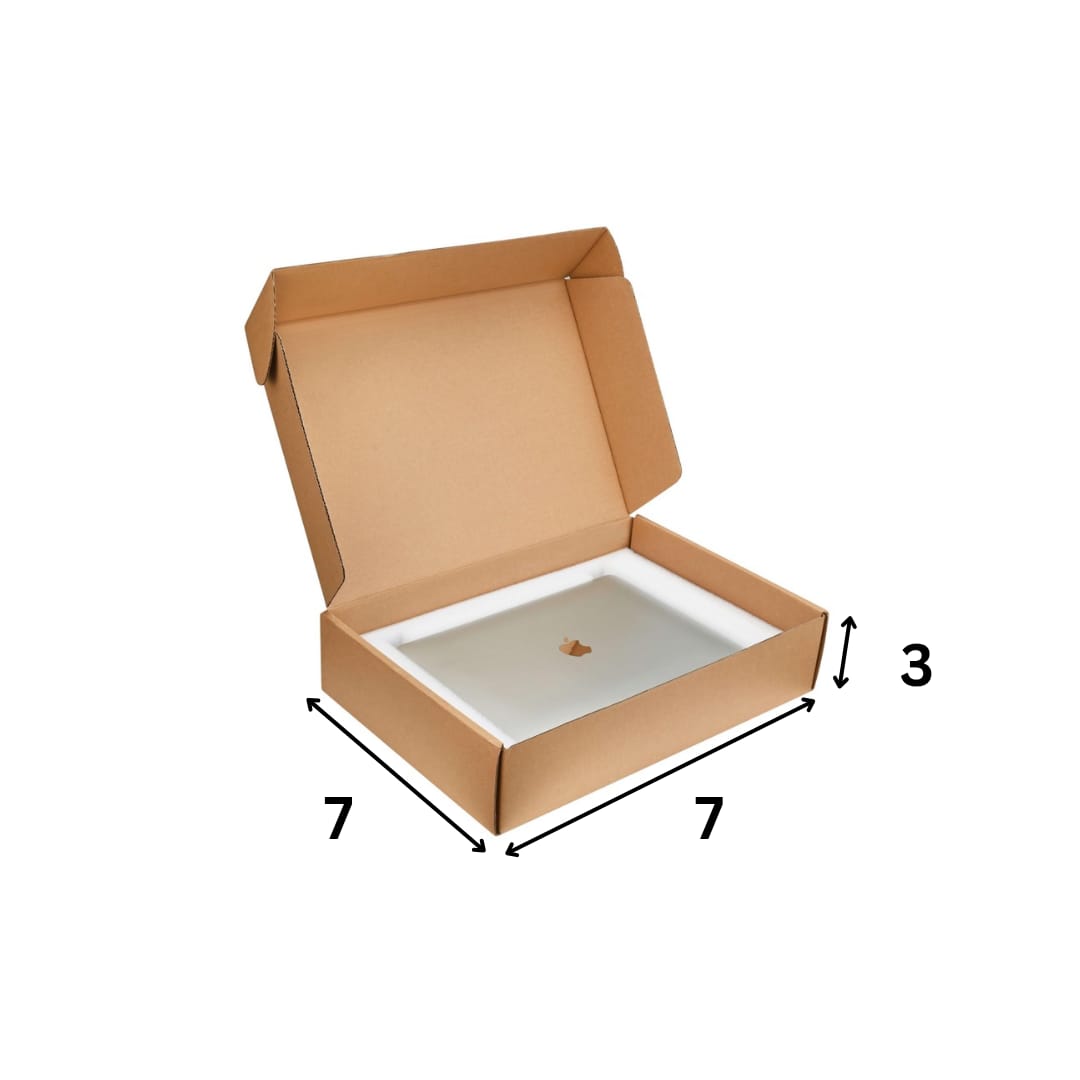 | E COMMERCE BOX CARDBOARD BOX ₹32 Our E-Commerce Boxes are specially designed for safe, secure, and professional packaging of online orders. |
Test, reuse, and replenish packaging before the next move
Inspect incoming packaging and quarantine any carton with crushed corners, water damage, delamination, torn hand holes, contamination, or a distorted shape. Used corrugated fibreboard loses compression strength, so do not give a reused carton its original load rating without checking its condition.
- Record the carton’s outside dimensions, board construction, and intended load. Confirm that the received size and specification match the purchase order.
- Pack a representative item exactly as it will travel. Restrain the item so it cannot shift, and add cushioning between fragile surfaces and the carton wall; loose void fill alone does not provide shock protection.
- Choose a test that matches the route. ASTM D5276 covers free-fall drops, while an ISTA distribution test can combine drops, vibration, and conditioning for parcel or freight movement.
- Test the complete packed configuration, including the closure, inserts, cushioning, pallet pattern, and stacking height. Record the route, test protocol, carton dimensions, contents, and result.
- Open the package and inspect the product and packaging for movement, broken parts, punctures, compression, or exposed edges. Failures identify material to replace before the next move.
Remove failed reusable cartons from service and replenish them with approved stock. Keep the test record tied to the carton style so crews do not reuse a package for a heavier load or harsher route than it passed.
Frequently asked questions
How should a moving company forecast packaging supply use?
Create a packing bill of materials for each booked move using room volume and item type. Multiply those quantities by confirmed jobs, add safety stock for cancellations, damage and late bookings, then reconcile the forecast with warehouse issues every Friday.
How do you match carton design and board grade to a moving load?
Choose carton dimensions and strength for the item’s size, weight, shape and handling risk. Use smaller cartons for dense heavy goods, larger cartons for lighter bulky items, and stronger board for fragile or high-load packs.
What should moving companies specify when buying packing tape?
Specify tape width, adhesive type, roll length and tensile strength. Test the tape on the carton board and in the expected storage conditions before committing to a bulk packaging tape supplier.
How should moving companies compare packaging suppliers?
Compare usable cost rather than unit price: include carton yield, tape performance, delivery reliability, minimum order quantities, damaged stock and replenishment lead time.
Related products
 | STRETCH FILM ROLL STRETCH FILM 300 M BABY CORN ₹550 Stretch Wrap Roll/Packing for Furniture and Luggage Packing/Wrapping Film,Packing Film for Home/Industry/Kitchen Packing |
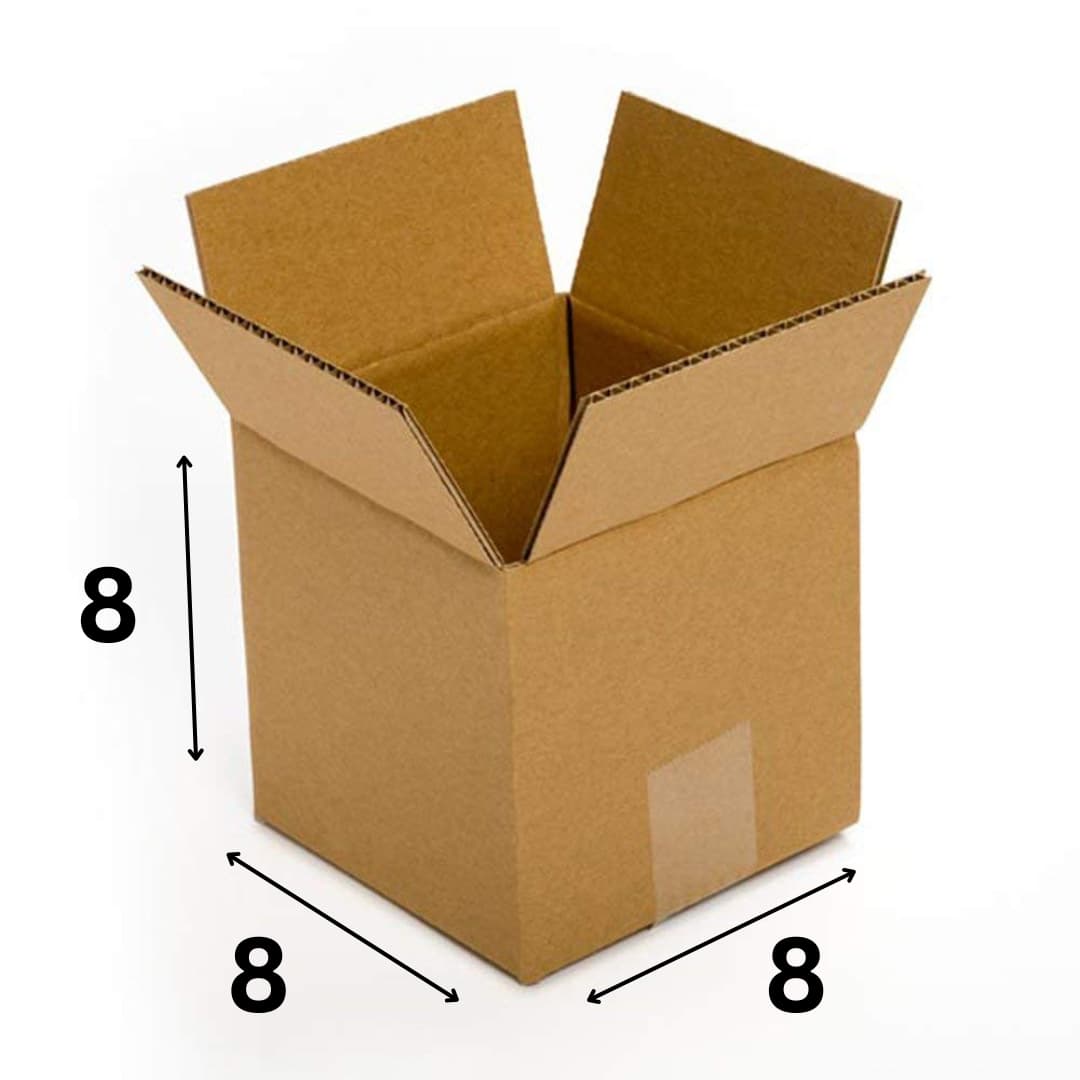 | Corrugated Boxes 3PLY CARDBOARD BOX 8X8X8 ₹27 “3 Ply cardboard boxes – lightweight yet strong for everyday packing. |
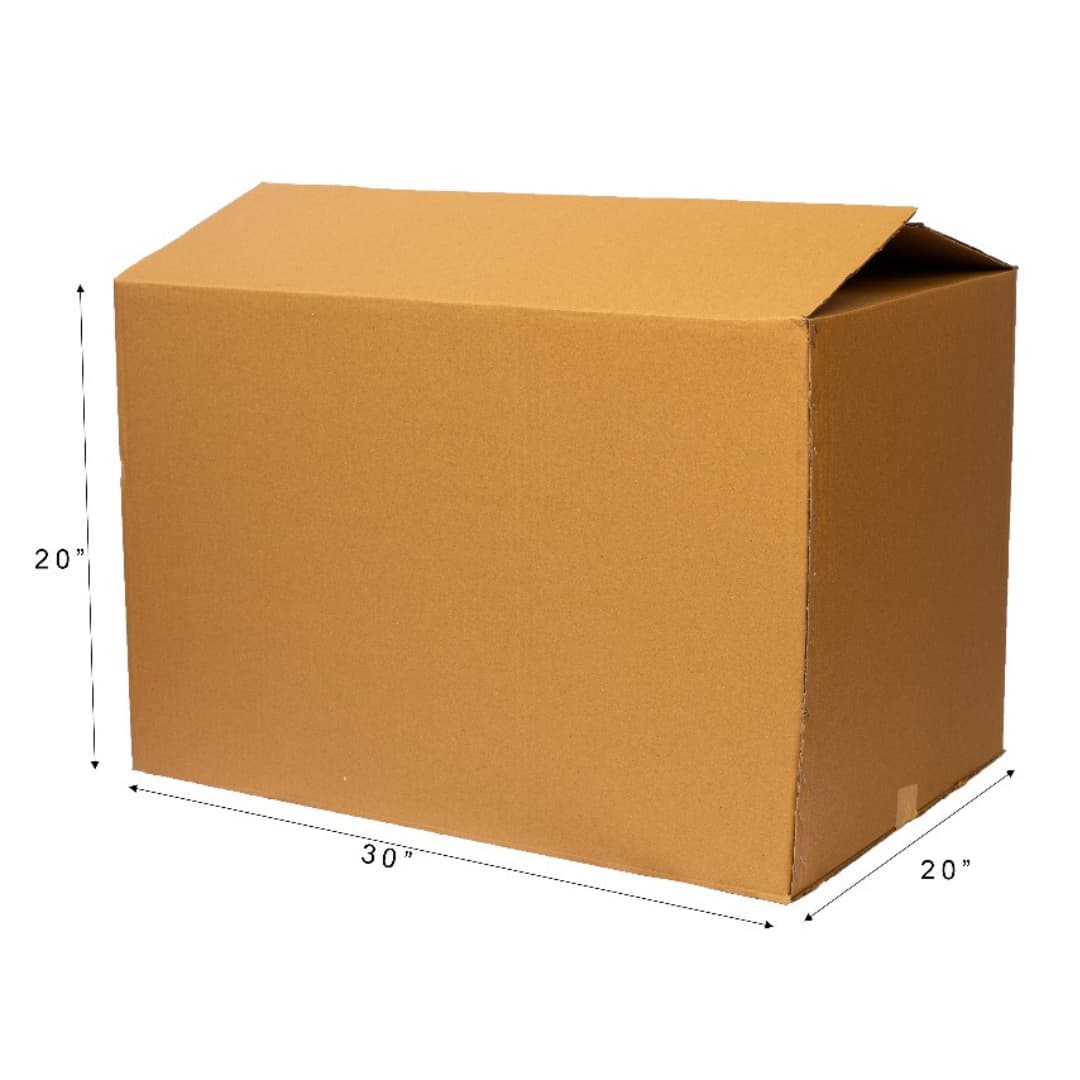 | Corrugated Boxes 3PLY CARDBOARD BOX 30X20X20 ₹300 “3 Ply cardboard boxes – lightweight yet strong for everyday packing. |
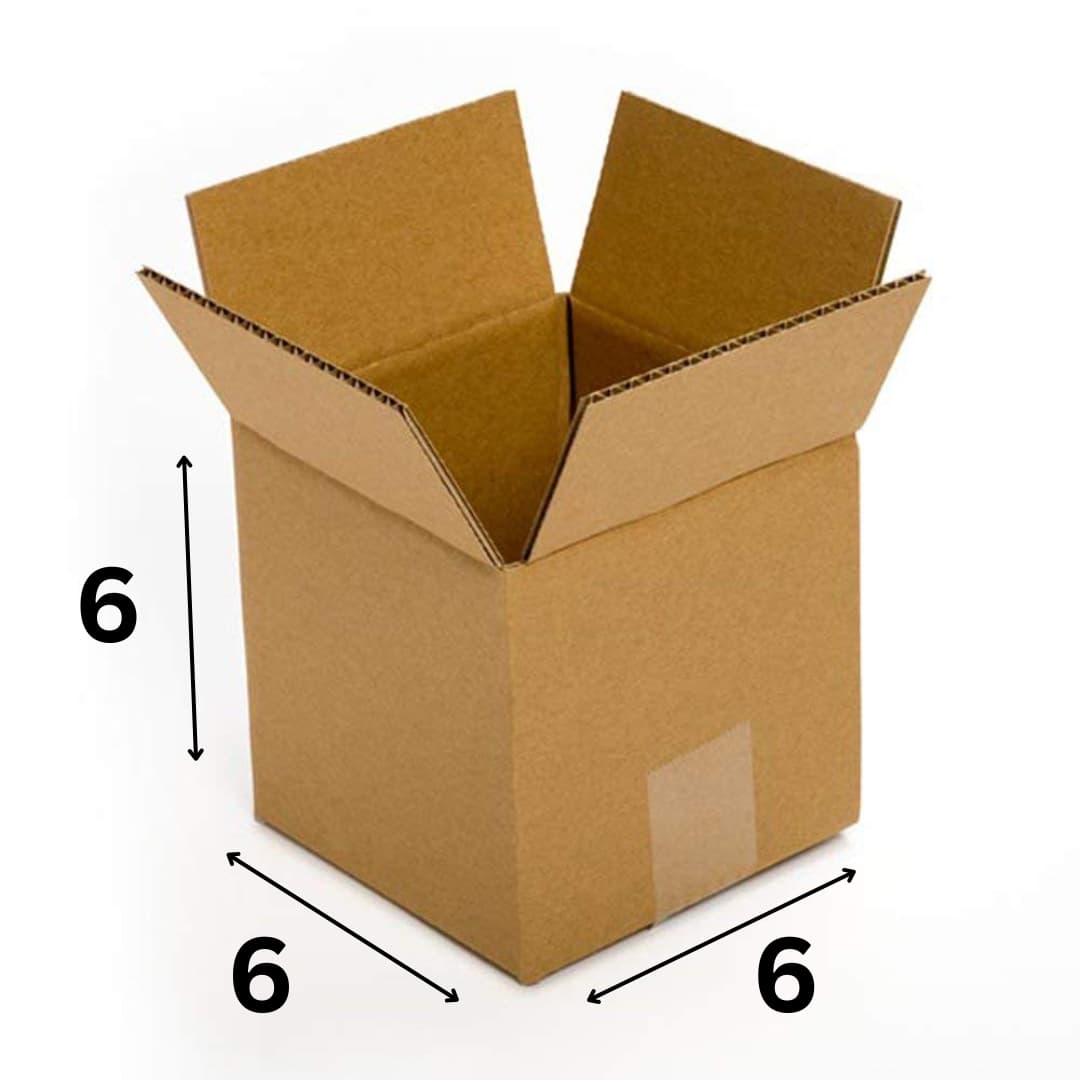 | Corrugated Boxes 3 PLY CARDBOARD BOX 6x6x6 ₹20 3 Ply cardboard boxes – lightweight yet strong for everyday packing. |
Keywords