A gift can arrive scuffed, cracked or loose inside its carton even when the box looks attractive at dispatch. You will learn how shredded paper limits movement, where to place it, how much to use, which products need another protective layer and how to test the finished pack before shipping.
Key takeaways
- Use shredded paper to fill voids, limit sliding and block carton-wall impacts.
- Measure filler by filling gaps without compressing it into a hard layer.
- Add bubble wrap, foam or molded inserts for fragile or heavy gifts.
- Test the closed carton for movement, crushing and impact before shipping.
What protection does shredded paper provide inside a gift box?
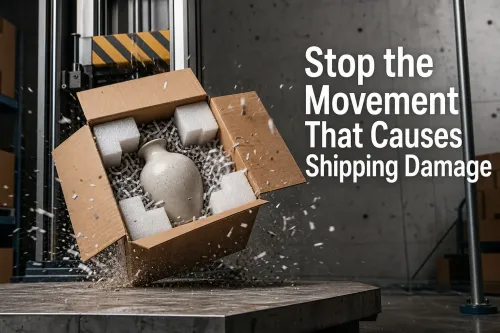
Inside a gift box, shredded paper acts mainly as void-fill and blocking material. Packed beneath, beside and above the gift, it reduces empty space, limits sliding, and keeps the product from repeatedly striking the carton walls.
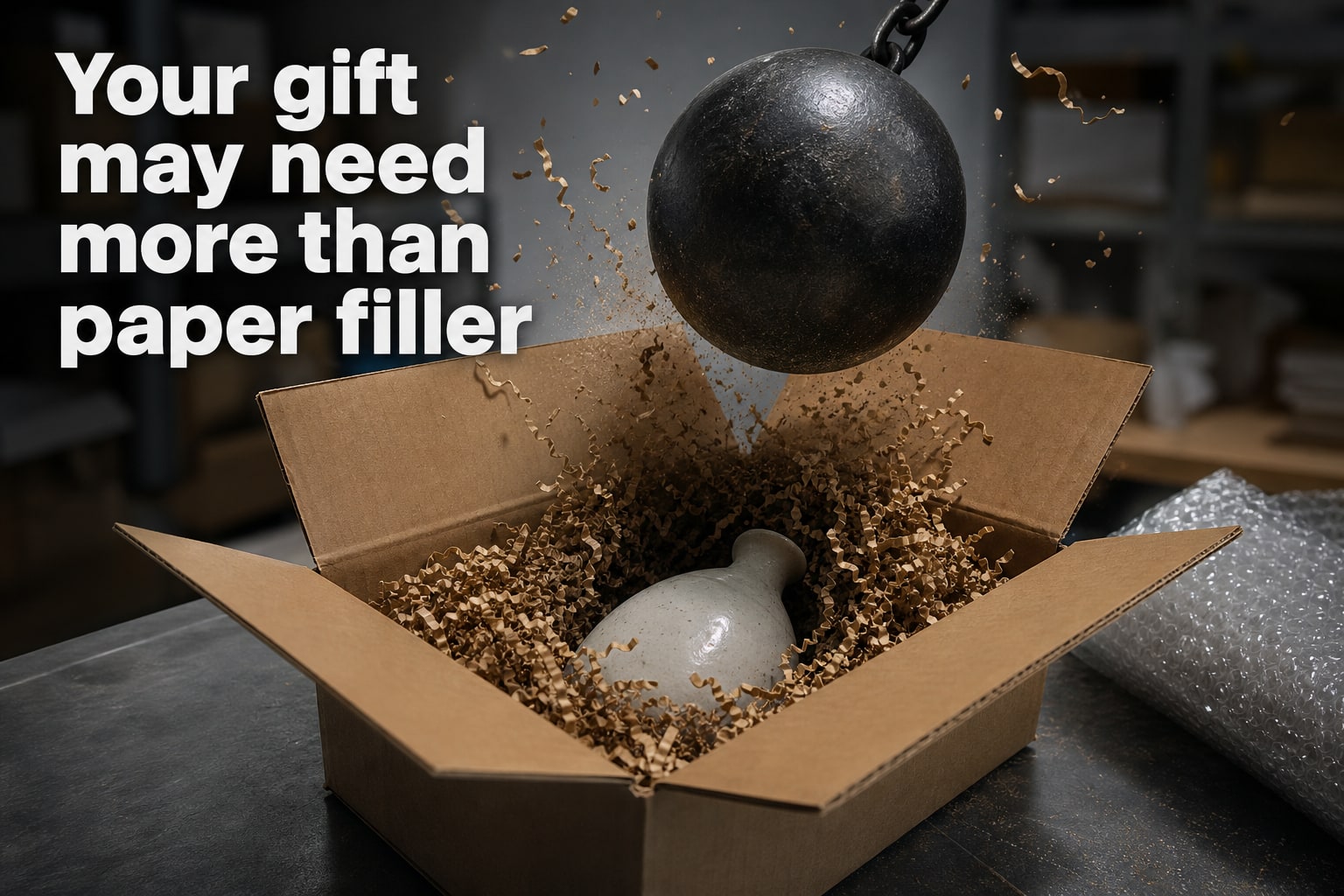
Its loose strands spread light knocks across the surrounding fill, but they do not provide the predictable shock attenuation of molded pulp, foam, or a designed corrugated insert.
For shredded paper protective packaging to do more than improve presentation, check that:
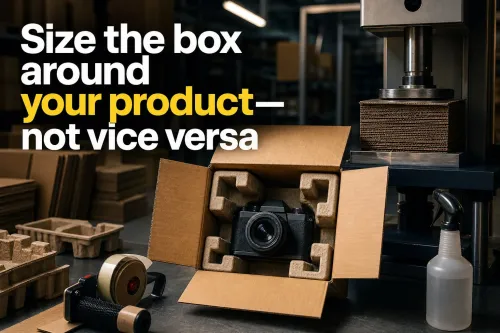
- The carton fits the gift closely. An oversized box can consume extra filler and still leave room for damaging lateral movement.
- The strands form real depth beneath, beside, and above the item. A thin layer of attractive strands is decorative filler, not dependable protection.
- The filler is packed around the product, with corners filled, rather than loosely sprinkled around it.
- The pack remains full after vibration and handling. Shredded paper can compact and settle, leaving a void above the gift even when the box looked full at the packing bench.
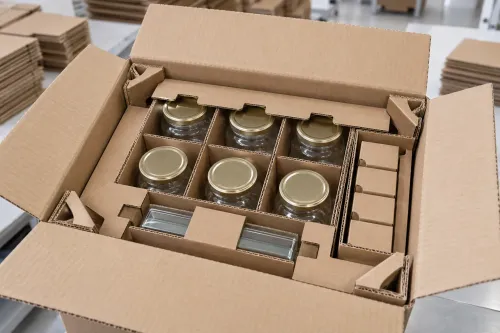
Severe crushing and repeated drops require structural protection, not paper alone. Multiple glass or ceramic articles also need separate cells, wraps, or dividers so they cannot strike one another; shredded paper works as secondary void-fill around that structure.
It improves presentation and restrains light movement, but it cannot correct an unsuitable carton or absorb severe impact forces.
How should you place and measure shredded paper around a gift?
The right quantity of shredded paper for gift packaging cannot be set as a universal gram amount. It depends on the carton’s length, width and height, the gift’s weight, and whether the shred is springy and loose or compact and dense.
1. Compress shredded paper into an even bottom layer. Make it thick enough to support the gift without allowing the carton base to press directly against the product.
2. Place the wrapped or boxed gift in the centre, leaving space around every side. An oversized carton needs more filler and can still permit damaging movement.
3. Push filler firmly down both long sides and into all four corners. Pack the spaces rather than sprinkling a thin layer over the surface.
4. Add compressed material at both ends of the gift so it cannot slide lengthwise. Heavy gifts need denser support beneath and around them.
5. Cover the gift with filler before closing the carton. Do not rely on a thin decorative layer to restrain a heavy item.
Close the carton without forcing the flaps, then lift it and gently shake it in several directions. If the gift shifts, rattles, or becomes visible through a gap, reopen the box and add or reposition filler.
Repeat the check after allowing the material to settle, because vibration can compact the shred and create a void above the gift. Stop only when the item remains surrounded and the flaps close naturally.
Which gifts suit paper filler, and what needs another protective layer?
Paper filler for gift packaging suits boxed cosmetics, candles, folded clothing accessories, mugs with protective wrapping, and small décor with no sharp projections. These items benefit from cushioning and presentation when they are not heavy, leak-prone, or vulnerable to impact.
| Gift or product type | Recommended use | Extra protection |
|---|---|---|
| Boxed cosmetics, candles, and accessories | Use paper filler around the packaged item | Add tissue or a clean bag if the surface or contents are contamination-sensitive |
| Wrapped mugs and small décor | Use filler as secondary void fill | Wrap each item and prevent contact with the box walls |
| Polished, labelled, or coated giftware | Do not expose the finish directly to loose shred | Separate it with tissue, a clean bag, or another clean barrier |
| Glassware, ceramics, electronics, and heavy gifts | Do not rely on filler as the primary pack-out | Use cells, dividers, an inner box, molded protection, or immobilising inserts |
| Sharp-edged or leak-prone goods | Choose a different primary pack-out | Use edge protection, a sealed container, and a moisture-resistant barrier |
Loose fibers can abrade polished finishes, labels, and coated surfaces. Colored or printed paper can transfer pigment or ink when pressure and moisture are present.
For a fragile object, wrap it in tissue or bubble wrap, place it in a smaller inner box, and use a corrugated insert to create cells where needed. Add shredded paper only to fill the remaining void. Give every glass or ceramic item its own compartment so neighboring pieces cannot strike each other.
Choose stronger structural protection for electronics requiring immobilisation, heavy objects, sharp-edged goods, leak-prone products, or gifts exposed to rough distribution handling.
How do cut style and paper specification change the protection you get?
Cut style and paper specification change protection by controlling spring, surface coverage and empty pockets, not by colour. Crinkle-cut or accordion-cut paper usually keeps more loft after compression, while straight-cut shred creates denser visual coverage and fills faster.
| Option | Protection trade-off | Best comparison point |
|---|---|---|
| Crinkle or accordion cut | Recovers after compression and resists settling, but can take more packing volume | Spring and retained loft |
| Straight cut | Packs densely and fills quickly, but leaves less recovery after compression | Filling speed and final density |
| Fine strands | Cover surfaces closely, but compact readily and release more loose fibres or dust | Surface coverage and cleanliness |
| Coarse or curled strands | Look fuller, but can leave larger pockets around the gift | Apparent volume and void size |
Compare equal finished pack-outs, not gross case dimensions. Compression and cut geometry change usable volume, so a larger case does not automatically deliver more filled boxes.
Ask for the exact cut style, strand width and cut length, paper grade or basis-weight range, recycled or virgin content, print and colour status, net weight, moisture protection and intended pack-out application.
For a kraft shredded paper wholesale purchase, Packbox.In is one supplier to ask for current specification details and sample quantities before choosing a format. Trial the material with the actual gift, carton and closure, then check:
- Settling and movement after gentle handling
- Surface abrasion on polished or soft finishes
- Dust and loose fibres inside the carton
- Odour after the box remains closed
- Pigment or ink transfer under moisture and pressure
Related products
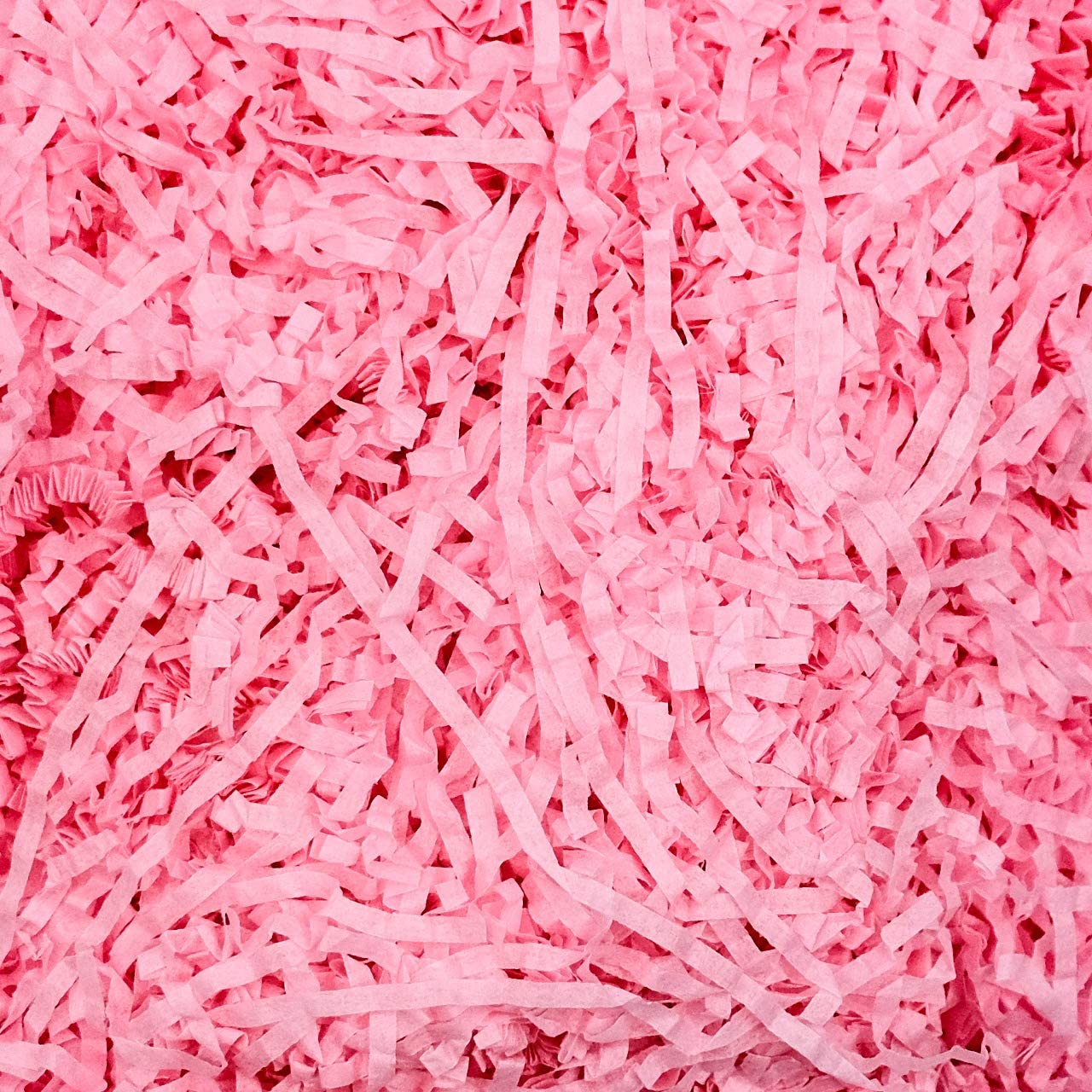 | SHREDDED PAPER SHREDDED PAPER PINK 1KG ₹450 Packbox.in Shred Paper Material: Made of high quality raffia Paper,lightweight,color your gift and your life Size.,the weight of each small pack:... |
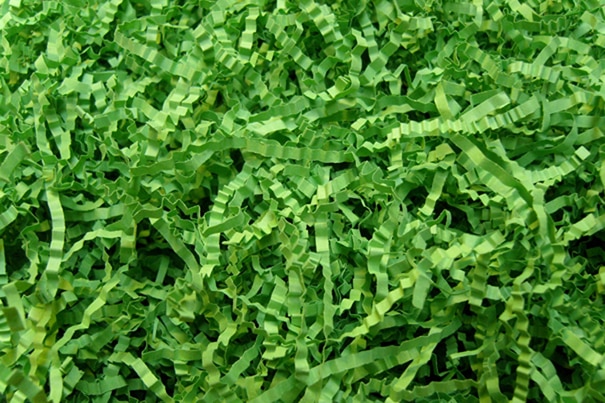 | SHREDDED PAPER SHREDDED PAPER GREEN 1KG ₹450 Shredded Paper Material: Made of high quality raffia Paper,lightweight,color your gift and your life Size.,the weight of each small Packboxk: 100g,... |
How can you confirm the filled carton will remain protective in transit?
Confirm the finished gift, shredded-paper filler and carton as one protective system, not as separate materials. A pack that looks secure on the packing bench can develop a void after settling and allow the gift to strike the carton.
1. Close the carton and inspect it from every side. Reject the pack if flaps bulge, the product is exposed, or empty space remains around or above the gift.
2. Perform the gentle-shake test, then let the closed carton rest or subject it to controlled vibration and repeat the test. Loose shred can compact during handling; movement after settling shows that the pack needs more material or a better-fitting carton.
3. For important shipments, run a controlled drop and handling trial using the actual parcel size, weight, closure and delivery route. ISTA 3A covers general packaged-products parcel delivery testing, while ASTM D4169 provides distribution-cycle laboratory testing. Select the sequence that matches the real shipping conditions; testing loose paper alone proves little.
4. Keep filler off the floor in a dry area and protect it from condensation. Do not use damp material: wet fibres lose stiffness, stain products, encourage odour or microbial growth, and weaken package integrity.
5. For electronics, food or cosmetics, verify limits for dust, loose fibres, odour and ink migration, plus any required food-contact or product-contact compliance. Paper alone does not establish suitability.
Check local recycling rules before dispatch. Wet, laminated, waxed or plastic-coated paper may be excluded.
Frequently asked questions
What protection does shredded paper provide inside a gift box?
Shredded paper provides void-fill and blocking. It reduces empty space, limits sliding and separates the gift from carton walls.
How should you place and measure shredded paper around a gift?
Place it beneath, beside and above the gift, then add enough to close gaps without compressing the filler into a rigid mass.
Which gifts suit paper filler, and what needs another protective layer?
Paper filler suits lightweight, sturdy gifts with modest handling risk. Glass, ceramics, electronics and heavy items need an inner protective layer or a fitted insert.
How do cut style and paper specification change protection?
The strip width, cut length, paper weight and crimping affect cushioning, recovery, appearance and how well the filler locks the gift in place.
How can you confirm the filled carton will remain protective in transit?
Close the carton, check for movement, inspect compression around the gift and perform controlled shake and drop checks before shipping.
Related products
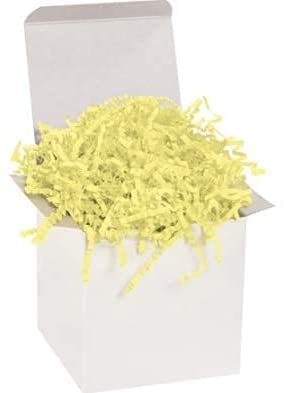 | SHREDDED PAPER Shredded-Paper-Yellow 1KG ₹450 Shredded Paper Material: Made of high quality raffia Paper,lightweight,color your gift and your life Size.,the weight of each small Packboxk: 100g,... |
 | SHREDDED PAPER SHREDDED PAPER BLUE 1KG ₹450 Shredded Paper Material: Made of high quality raffia Paper,lightweight,color your gift and your life Size.,the weight of each small Packboxk: 100g,... |
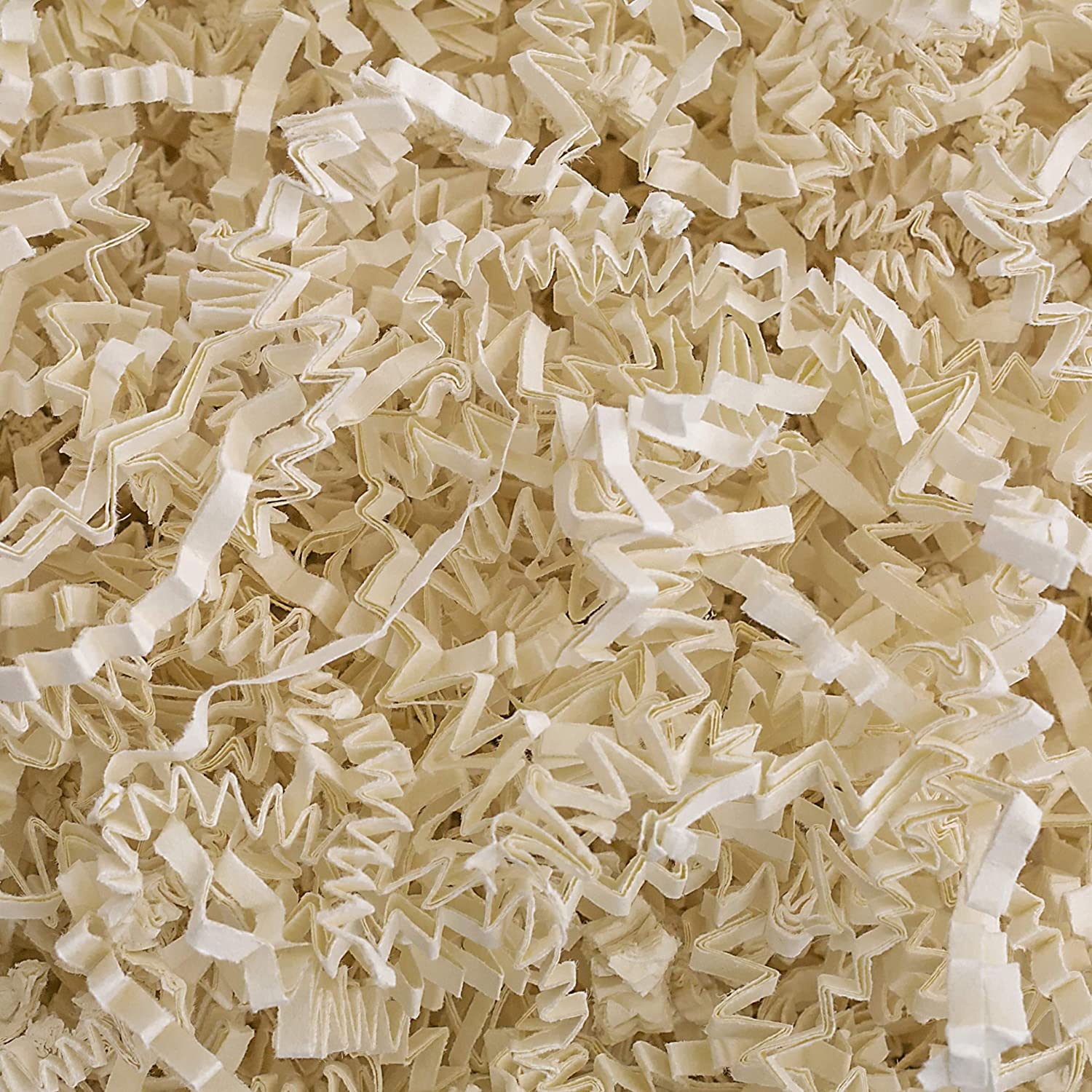 | SHREDDED PAPER SHREDDED PAPER CREAM 1KG ₹450 Shredded Paper Material: Made of high quality raffia Paper,lightweight,color your gift and your life Size.,the weight of each small Packboxk: 100g,... |
Keywords