Stretch cling film has become an essential packaging material for manufacturers, warehouses, logistics providers, retailers, and exporters. It helps secure products during storage and transportation while protecting them from dust, moisture, and minor handling damage. As supply chains become more demanding, businesses across Bangalore, Karnataka, are increasingly using stretch film to improve operational efficiency and reduce packaging-related issues.
Selecting the right stretch film involves more than choosing a roll of plastic. Thickness, stretchability, load stability, and application method all influence packaging performance.
What Is Stretch Cling Film?
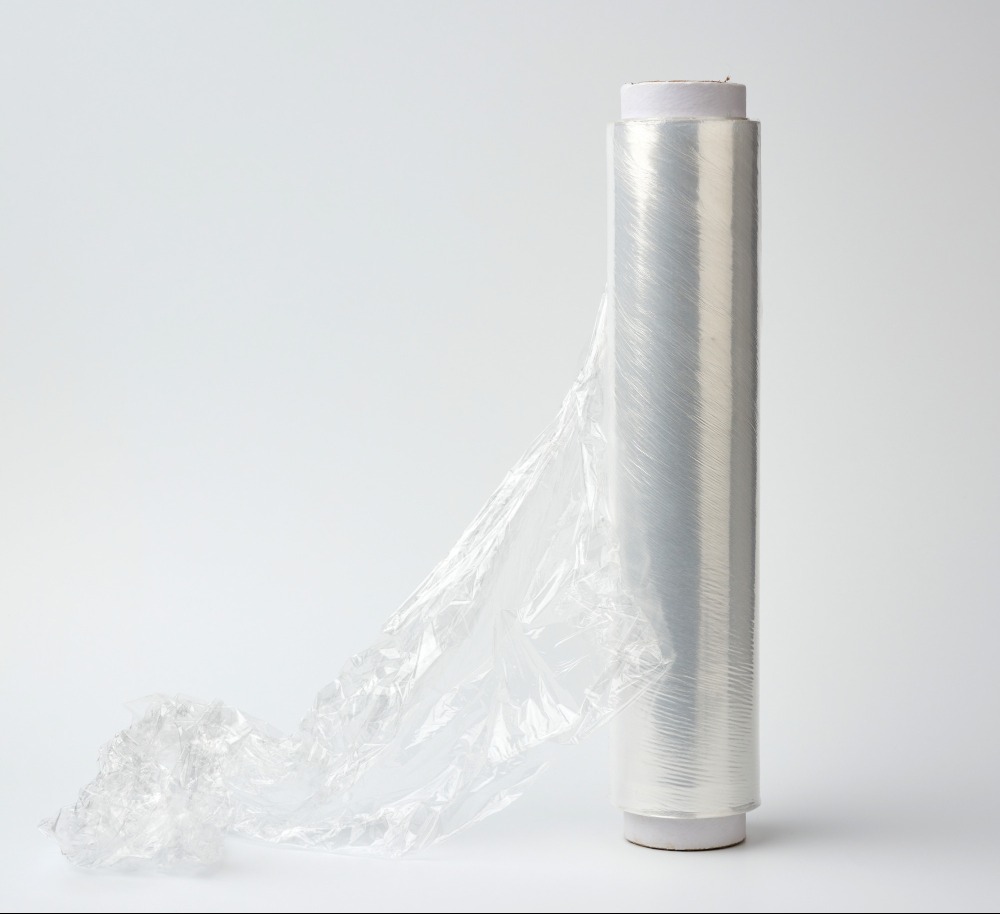
Stretch cling film is a highly stretchable plastic film designed to wrap products securely around pallets, cartons, or individual items. Its elasticity allows the film to hold products tightly without requiring additional adhesives.
It is commonly used in:
- Warehouses
- Manufacturing units
- Distribution centres
- Retail storage
- E-commerce fulfilment facilities
- Export packaging
The film creates a stable load, making products easier to transport and stack.
Benefits of Stretch Cling Film
Businesses across industries rely on stretch film because it offers multiple operational advantages.
These include:
- Improved load stability
- Protection from dust and moisture
- Reduced product movement during transport
- Faster packaging processes
- Lower packaging costs
- Better inventory organisation
- Easier pallet handling
These benefits contribute to fewer damaged shipments and smoother warehouse operations.
Machine Grade and Hand Grade Film
Choosing the correct type depends on packaging volume.
Hand Grade Stretch Film
Suitable for smaller businesses and lower daily packaging requirements.
Machine Grade Stretch Film
Designed for automatic wrapping machines handling high packaging volumes.
Companies with growing operations often evaluate whether investing in automated wrapping improves productivity.
Selecting the Right Thickness
Film thickness directly affects performance.
Thin films may suit lightweight cartons, while heavier products often require stronger films to prevent tearing.
Factors to evaluate include:
- Product weight
- Pallet height
- Transportation distance
- Storage conditions
- Handling frequency
Experienced Stretch Cling Film Roll Manufacturers in Bangalore can recommend suitable film specifications for different industries.
Common Applications
Stretch film is widely used across sectors.
Examples include:
- FMCG distribution
- Food processing
- Pharmaceuticals
- Electronics
- Textile manufacturing
- Industrial machinery
- Automotive components
- Chemical packaging
Each application requires different wrapping methods and film properties.
Common Packaging Mistakes
Improper wrapping can reduce the effectiveness of stretch film.
Frequent mistakes include:
- Using insufficient overlap
- Applying inconsistent tension
- Choosing incorrect film thickness
- Wrapping unstable pallets
- Ignoring product weight distribution
Following correct wrapping techniques helps maximise load security.
Sustainability Considerations
Many manufacturers are introducing thinner, high-performance films that reduce material usage without compromising strength.
Businesses can improve sustainability by:
- Optimising film consumption
- Recycling used stretch film where facilities exist
- Reducing unnecessary packaging layers
- Improving pallet design
Responsible packaging practices often reduce both environmental impact and operating costs.
Choosing a Reliable Manufacturer
Businesses should evaluate suppliers based on:
- Consistent film quality
- Manufacturing standards
- Product availability
- Technical guidance
- Delivery reliability
- Custom specifications
Companies such as Packbox.In supply stretch cling film solutions to businesses throughout Bangalore, helping manufacturers and logistics providers improve packaging efficiency while maintaining product protection during storage and transportation.
Keywords