
Stretch film is one of the most widely used packaging materials in warehouses, manufacturing facilities, logistics hubs, and retail distribution centres. Although it appears to be a simple plastic wrap, the right stretch film can significantly improve load stability, reduce product damage, and make transportation more efficient. Choosing the wrong type, however, may result in torn wrapping, unstable pallets, and unnecessary material waste.
Businesses across Bangalore are handling increasing shipment volumes due to the growth of e-commerce, industrial manufacturing, and organised retail. As a result, selecting high-quality stretch film has become an important operational decision rather than just another packaging purchase.
Experienced Packaging Material Stretch Film Manufacturers in Bangalore provide films designed for different industries, pallet sizes, and handling methods, helping businesses protect products throughout the supply chain.
What Is Stretch Film Used For?
Stretch film is designed to tightly secure products placed on pallets or grouped together for transportation and storage. Its elasticity keeps cartons firmly in place while protecting them from dust, moisture, and movement during transit.
Common applications include:
- Warehouse pallet wrapping
- Export shipments
- Manufacturing dispatch
- Retail distribution
- Cold storage packaging
- Industrial goods transportation
Whether products travel within Karnataka or across India, proper pallet wrapping improves handling efficiency.
Manual vs Machine Stretch Film
One of the first decisions businesses must make is whether to use manual or machine-grade stretch film.
Manual stretch film is suitable for:
- Small businesses
- Low shipping volumes
- Occasional pallet wrapping
Machine stretch film is recommended for:
- Large warehouses
- Manufacturing plants
- High-volume logistics operations
- Automated packaging lines
Selecting the appropriate option depends on shipment frequency, workforce availability, and operational scale.
Factors to Consider Before Buying
Instead of focusing only on price, businesses should evaluate several technical factors.
These include:
- Film thickness
- Stretchability
- Tear resistance
- Load retention
- Clarity
- Puncture resistance
- Roll consistency
A stronger film often allows businesses to use fewer layers while maintaining the same level of protection, reducing overall material consumption.
Industries That Depend on Stretch Film
Stretch film supports a wide range of industries, including:
- Food processing
- Pharmaceuticals
- Automotive components
- Electronics
- FMCG
- Furniture manufacturing
- Building materials
- E-commerce fulfilment
Each industry may require different specifications depending on product weight and storage conditions.
Why Quality Matters
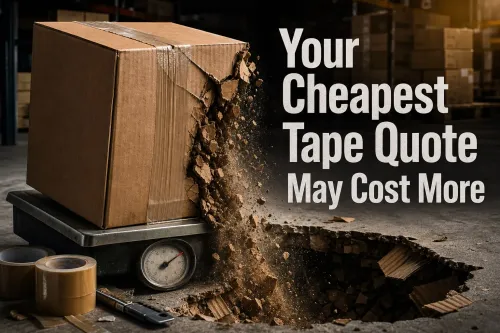
Low-quality stretch film may tear during wrapping, lose tension during transport, or fail to secure heavy loads. These issues can increase shipping costs, product damage, and warehouse inefficiencies.
Many businesses in Bangalore work with packaging providers such as Packbox.In to source stretch films suited to their operational needs. Choosing the right stretch film helps improve load security, optimise packaging costs, and support smooth logistics operations without compromising product protection.
Keywords